
What Is Claim Status Tracking in Medical Billing? Claim status tracking in medical billing is the process of monitoring a healthcare insurance …
How to Choose the Right Credentialing Management Platform for Your Medical Practice
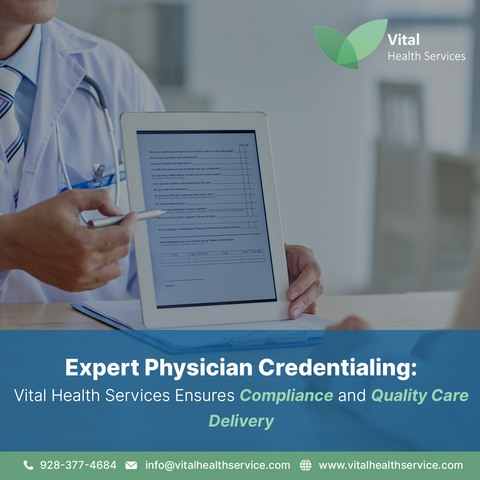
If you’re a physician planning to start your own practice, one of the most important tasks you’ll face is ensuring proper credentialing and compliance for yourself and your team. The right credentialing management platform can streamline this process, reduce administrative overhead, and help you stay compliant with industry regulations. Here’s what to look for in a platform that suits your needs.
Table of Contents
ToggleKey Features to Look For:
- Centralized Provider Database
A centralized system to store and manage all provider credentials, licenses, and documents is crucial. This ensures quick access to important information and keeps everything organized, making audits and renewals much easier to handle. - Automated Primary Source Verification (PSV)
Integration with licensing boards and other primary sources can automate the verification process, reducing human errors and speeding up the entire credentialing process. This is especially important for ensuring that your staff is credentialed without unnecessary delays. - Document Management
A strong document management system allows you to upload, version, and securely store documents like licenses, certifications, and contracts. This not only ensures compliance but also simplifies the re-credentialing process in the future. - Workflow Automation
Automate the steps involved in credentialing, such as submission, verification, and committee approvals. Customizable workflows will help minimize bottlenecks, track progress, and reduce the manual tracking of tasks. - Compliance Tracking and Alerts
A good credentialing platform should offer automated reminders for important deadlines such as license renewals, certification expirations, and compliance milestones. This helps ensure you never miss a critical requirement. - Seamless Integration
Integrating your credentialing platform with your EHR (Electronic Health Record) system, HR software, and billing systems reduces redundant data entry and ensures provider information is consistent across all platforms. - Role-Based Security and Access Control
Sensitive provider data must be kept secure. Look for platforms that allow you to set role-based permissions so only authorized individuals can access confidential information. This is key for complying with HIPAA and other healthcare regulations. - Audit Trails & Reporting
Comprehensive audit logs and the ability to generate custom reports help you monitor your practice’s compliance status and ensure you’re always audit-ready. These features also allow for better data-driven decision-making. - Real-Time Dashboards
The platform should offer user-friendly dashboards that provide real-time visibility into credentialing progress, pending tasks, and compliance indicators. This gives you a clear picture of where you stand at any given time. - Cloud-Based Accessibility
A cloud-based platform means you can access your credentialing system from anywhere, with no need for complex infrastructure. This also makes it easier to scale your practice as it grows and ensures business continuity.
Advanced/Optional Features:
AI-Powered Assistance
Some advanced platforms now incorporate artificial intelligence for smart verification, predictive compliance alerts, and even conversational support. This can greatly improve the speed and accuracy of your credentialing processes.E-Signatures & Electronic Forms
Look for a platform that allows for electronic signatures and the completion of forms online. This reduces paperwork, speeds up your workflow, and improves accuracy in data entry.Real-Time Provider Directory Updates
If you’re working with insurance providers or patients, real-time syncing with provider directories ensures that your information is always up to date, improving your visibility and trust with insurers and patients alike.
Why These Features Matter to New Physicians Starting a Practice:
Starting your own medical practice is a huge step. You’ll be balancing patient care, managing finances, hiring staff, and navigating the complexities of medical regulations. By choosing a credentialing management platform with these essential features, you can focus more on patient care and growing your practice, while the platform takes care of the administrative workload.
As a physician, you need to ensure your practice is compliant and efficient. A platform that automates key tasks, offers real-time access to important data, and keeps everything in one secure place will be a game-changer as you set up your practice. It not only makes credentialing easier but also helps you stay ahead of compliance risks, allowing you to focus on what truly matters—providing the best care for your patients.
Take Control of Your Medical Career: Start Your Own Practice Today!
As a physician, you’ve dedicated years to mastering the art of healing, and now it’s time to take the next step towards independence. Starting your own practice not only offers the freedom to shape your professional future but also the opportunity to provide personalized care and make a lasting impact on your community. With the right guidance, you can build a practice that reflects your vision and values.
The journey may seem daunting, but the rewards are immense – from increased income potential to a more flexible work-life balance. The key to success is having the right support behind you. That’s where Vital Health Services comes in.
Why Choose Vital Health Services for Medical Credentialing?
Vital Health Services offers expert medical credentialing services nationwide, ensuring your practice is well-positioned for long-term success. Their streamlined process helps you focus on what matters most—your patients and your practice’s growth. From provider onboarding to ongoing credentialing, Vital Health Services takes the hassle out of compliance, giving you peace of mind as you launch your new practice.
Get Started with Vital Health Services Today
Take the leap and build the practice of your dreams! Contact Vital Health Services for all your credentialing needs and make the first step towards a thriving, independent medical practice. Start today—your future starts now!
Latest Blogs
What is the CMS-1500 form in medical billing? CMS-1500 is the standard U.S. paper claim form used to bill professional (non-facility) healthcare …
What are CMS-1500 and UB-04 (CMS-1450), and why do they matter in medical billing? If you ever submit U.S. medical claims on …
The clean claim submission process in medical billing is the single most decisive factor affecting reimbursement speed, cash flow stability, and denial …
What are CPT Category II Codes? CPT Category II (CPT II) codes are optional tracking codes used to report performance measures, quality …
What is a Clearinghouse in Medical Billing? A medical billing clearinghouse is an intermediary that receives claims from healthcare providers, validates them …
How to Reduce Denial Rates and Increase Clean Claim Percentages in Your Medical Billing Process You reduce denial rates and increase clean …
What Are the Revenue Cycle Management (RCM) Steps? Revenue Cycle Management (RCM) is the financial process that providers use to track patient …
Telehealth Is Now Essential for Older Medicare Patients: What the Data Really Shows Telehealth is no longer a convenience or a temporary …
PAHPA Reauthorization in 2026: Why Public Health Preparedness Is Back in Focus Key points PAHPA is a major U.S. law that supports …