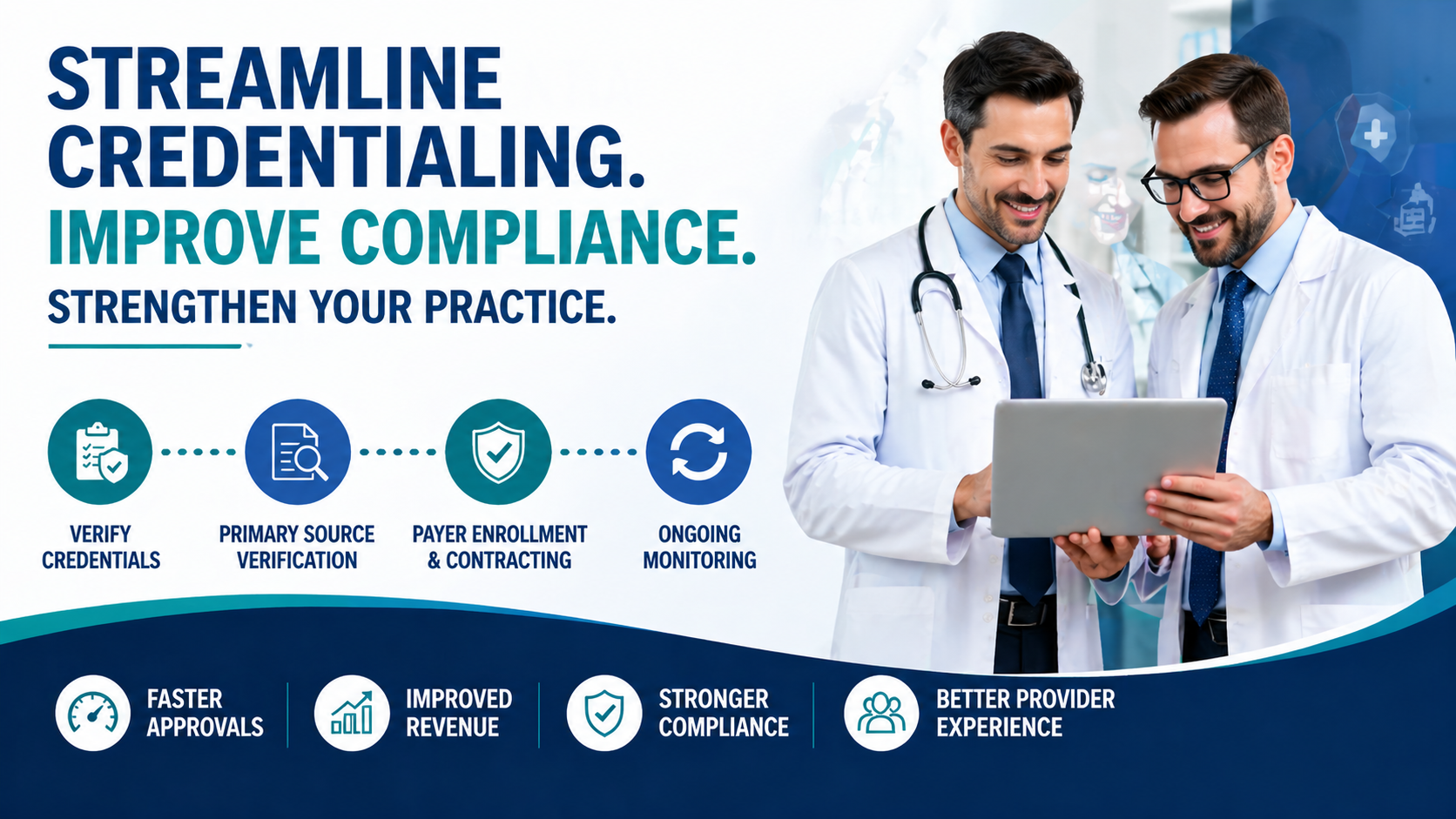
How to Optimize Healthcare Provider Credentialing for Better Compliance and Efficiency
The healthcare provider credentialing process is crucial for ensuring that healthcare providers are qualified, licensed, and eligible to provide services to patients. However, this process can be time-consuming, prone to errors, and challenging to manage, especially for large healthcare organizations. Streamlining and optimizing credentialing is essential for improving efficiency, ensuring compliance, and reducing the risk of delays in provider enrollment.
Table of Contents
ToggleThis article will guide you through the best practices for healthcare provider credentialing, focusing on ways to streamline workflows, ensure compliance with licensing regulations, and evaluate credentialing software and automation solutions.
What is Healthcare Provider Credentialing and Why Is It Important?
Credentialing is the process of verifying that healthcare providers meet the required qualifications, licenses, and standards to offer services in a healthcare setting. It involves confirming the provider’s education, training, licensure, malpractice history, and other professional credentials.
This process is important because it ensures that healthcare organizations hire qualified professionals, reduces the risk of malpractice, and ensures that healthcare services meet regulatory standards.
How Can You Streamline the Provider Credentialing Process?
To streamline the credentialing process, it’s essential to focus on efficiency and automation. A streamlined credentialing process can reduce administrative burden, minimize errors, and improve enrollment turnaround times.
- Centralized Credentialing System: Implement a system to track and manage provider information in one place. This reduces duplication and improves the accuracy of the data.
- Automation: Automate tasks like data entry and verification to save time and eliminate human error. Credentialing software can handle primary source verification, malpractice history checks, and credentialing document management.
- Clear Communication: Establish clear communication channels with providers, payers, and credentialing committees to ensure everyone is aligned and that no step is missed.
- Training: Regularly train credentialing staff to ensure they are up to date on best practices and efficient workflows.
What Are the Best Practices for Maintaining Credentialing Compliance?
Maintaining compliance is essential for avoiding legal issues, fines, or disqualification from payer networks. Compliance is a dynamic aspect of credentialing and must be monitored continually.
- Ongoing Compliance Checks: Regularly check for updates to federal and state regulations. Systems like CMS PECOS can help ensure compliance with Medicare and Medicaid requirements.
- OIG Exclusion Checks and Malpractice History: Always conduct OIG exclusion checks and verify malpractice history to ensure that no provider has been excluded from federal healthcare programs or has a problematic legal history.
- Recredentialing: Implement a process for regularly recredentialing providers to maintain their qualifications and prevent lapses in eligibility. This is especially important as licenses, certifications, and payer contracts can expire.
How to Ensure Licensing Compliance in Healthcare Credentialing?
Licensing compliance is necessary for healthcare providers to operate legally. It ensures that providers have the required medical licenses in place for the states or regions in which they practice.
- Verify State Licenses: Use online tools provided by state medical boards to verify that the provider’s license is active and valid.
- Monitor Expiration Dates: Track licensing expiration dates and set reminders to ensure that licenses are renewed before they expire.
- Compliance with Licensing Standards: Healthcare providers must meet all state-specific requirements to practice in a given area. Be sure to check with state medical boards to confirm these standards.
What Are the Common Challenges in the Credentialing Process and How to Overcome Them?
Credentialing is not without its challenges, and understanding these issues can help mitigate potential delays and errors.
- Delayed Provider Enrollment: Providers can experience delays if their documentation is incomplete or incorrect. It is important to create a standardized checklist of all required documents for submission.
- Credentialing Errors: Errors often arise from inaccurate data entry or outdated provider information. Using automated systems for primary source verification can reduce errors and ensure accuracy.
- Regulatory Changes: Compliance regulations change frequently, which can make it difficult to stay current. To manage this, establish a process for continuous updates and training for staff on new regulations.
How Can Credentialing Software Improve Efficiency and Compliance?
Credentialing software is designed to make the credentialing process more efficient and reduce the administrative burden on healthcare organizations. By automating key processes, credentialing software ensures data accuracy, speeds up verification tasks, and simplifies document management.
- Automated Primary Source Verification: Credentialing software automatically verifies important documents, reducing manual effort and errors.
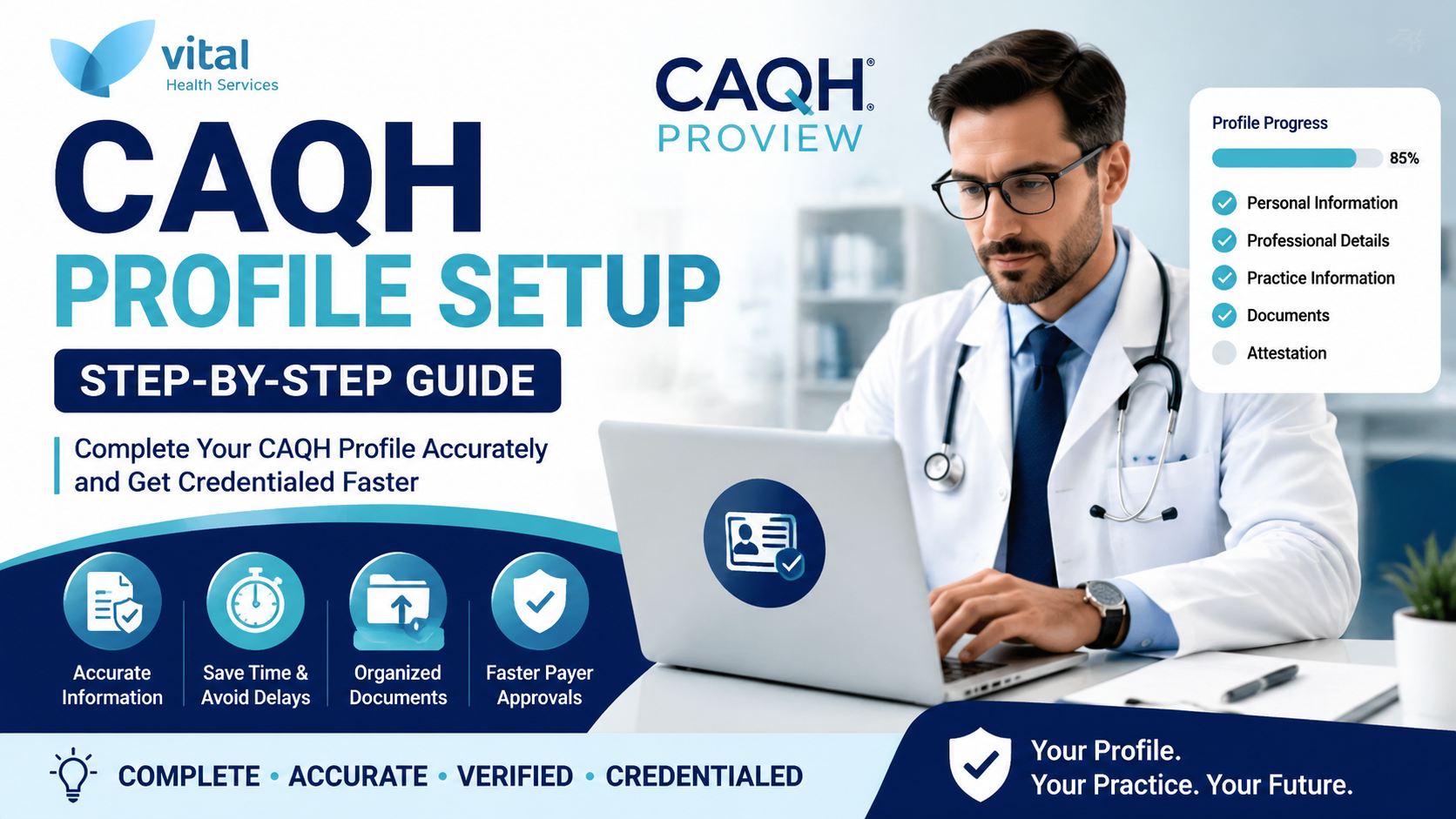
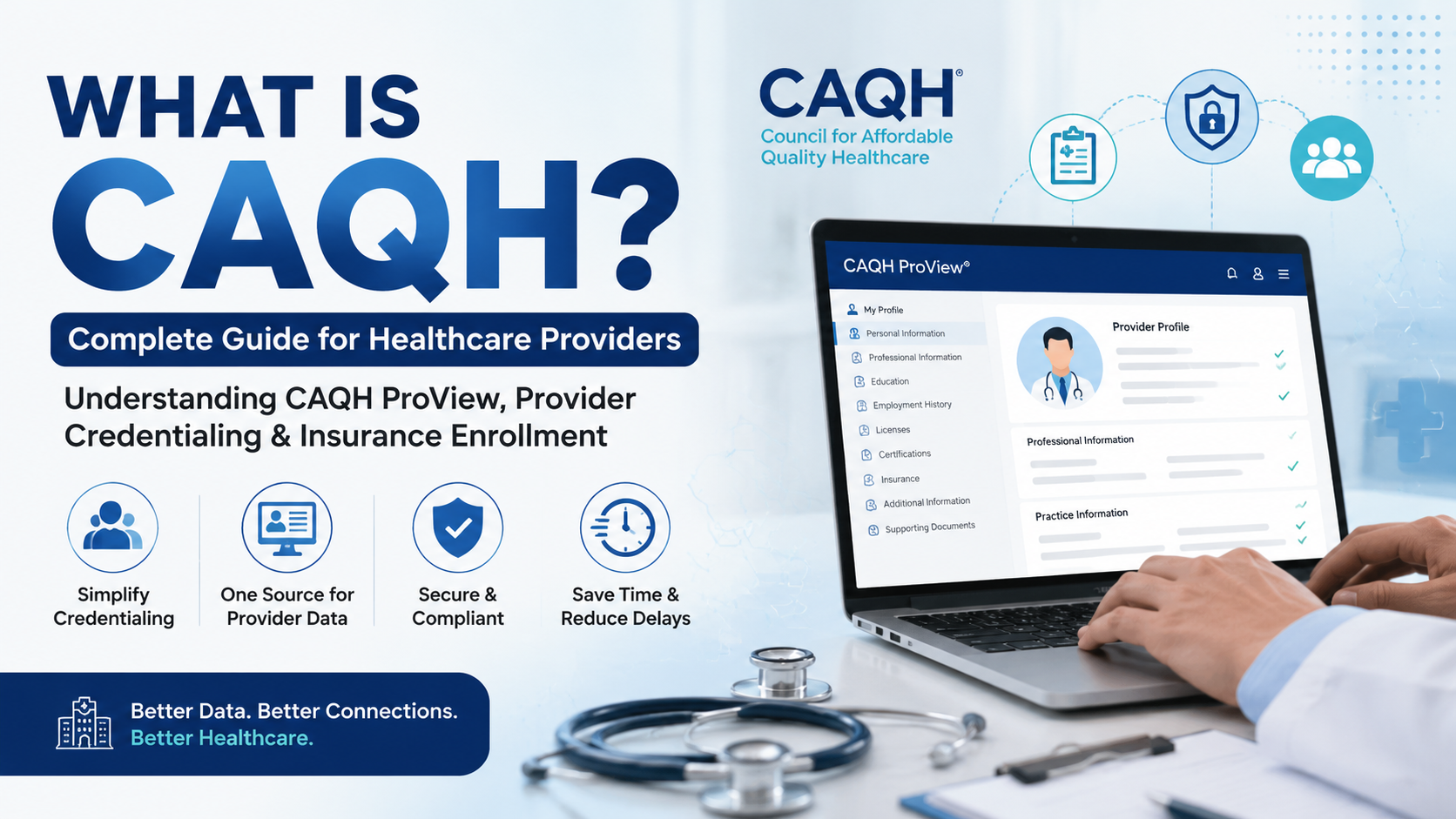
- Integrated Compliance Checks: Software solutions like CAQH or Medkinetics integrate compliance checks for OIG exclusions and malpractice history reviews.
- Centralized Documentation: All provider information is stored in one place, reducing the time spent searching for documents and minimizing the risk of losing important files.
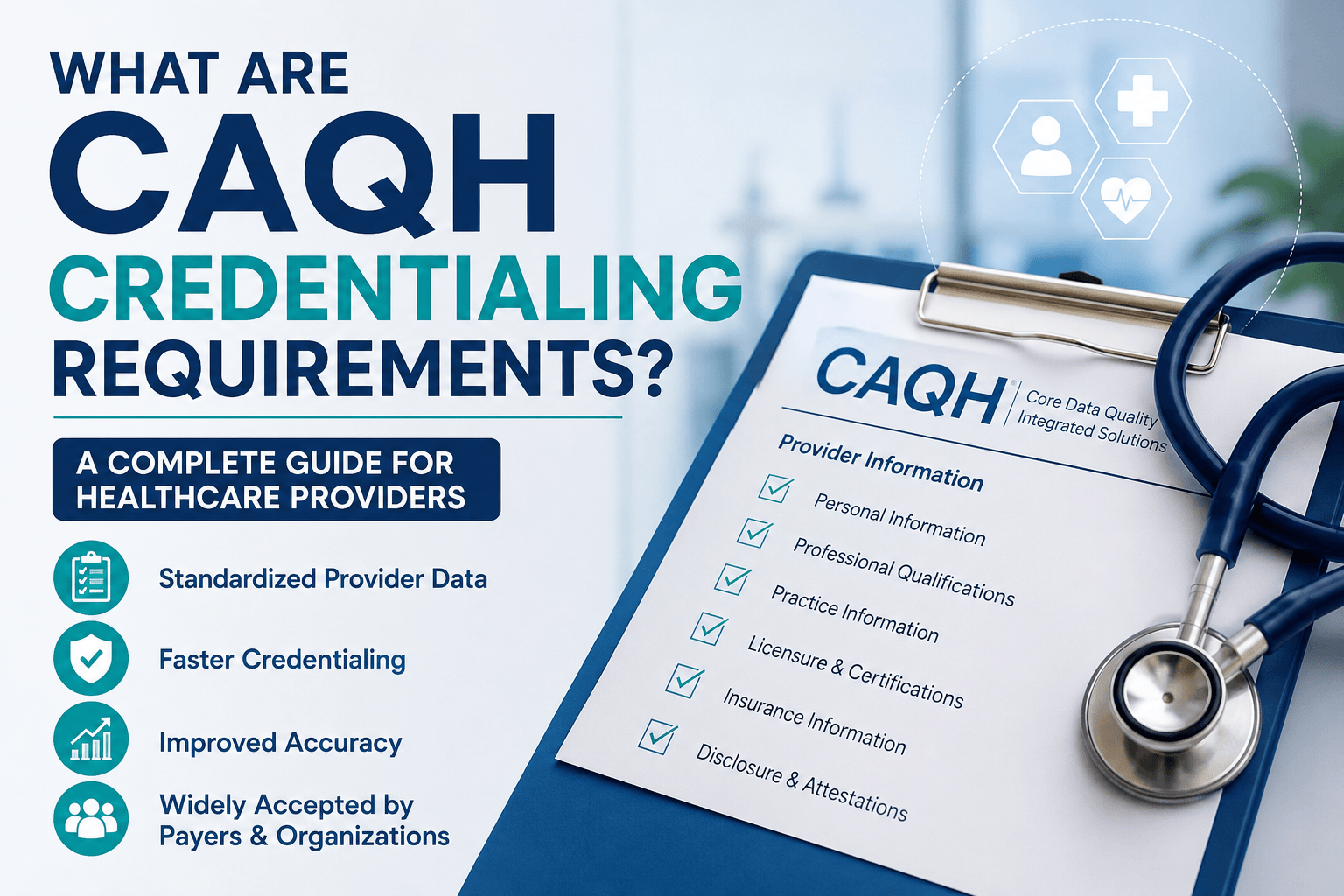
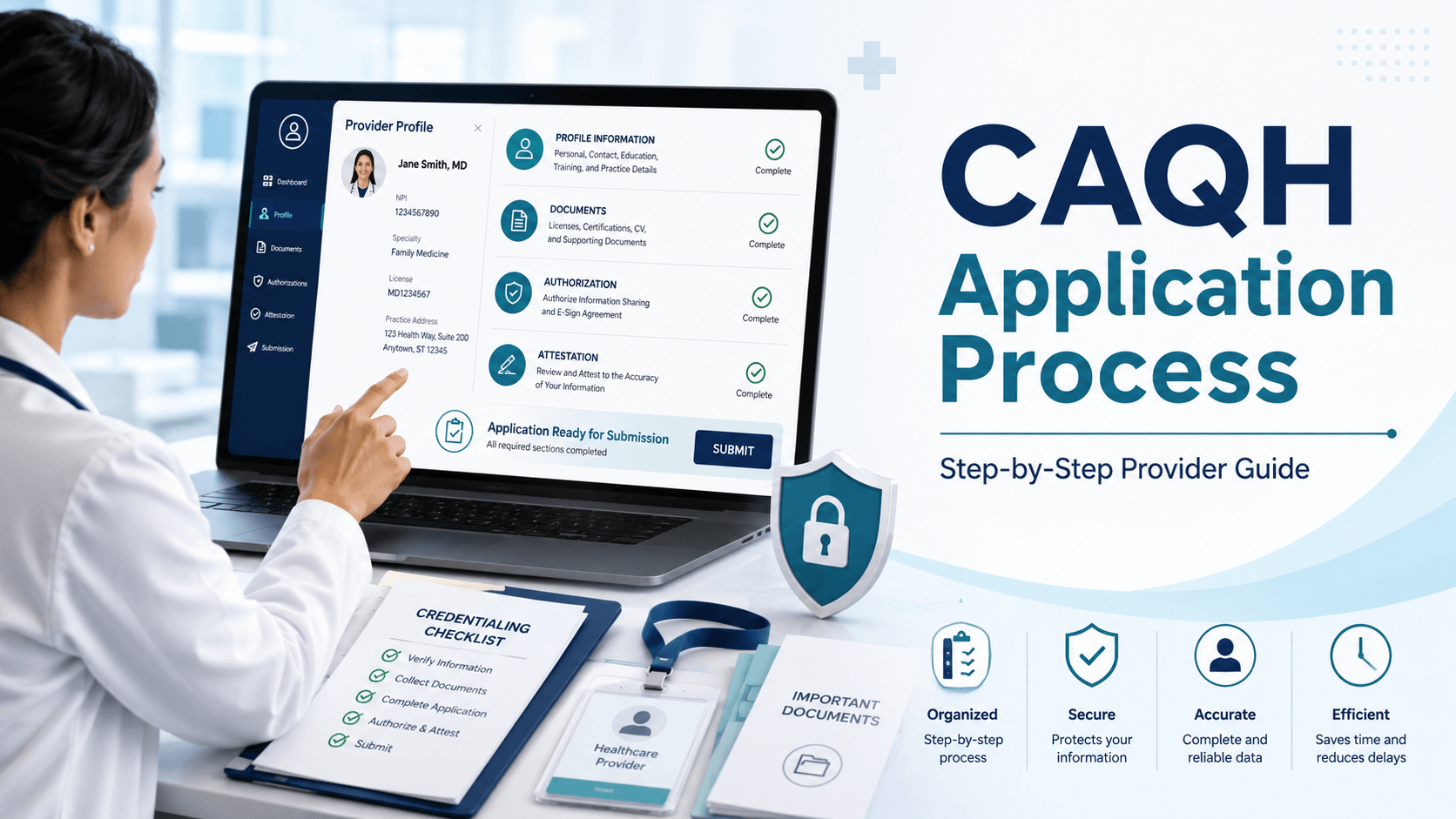
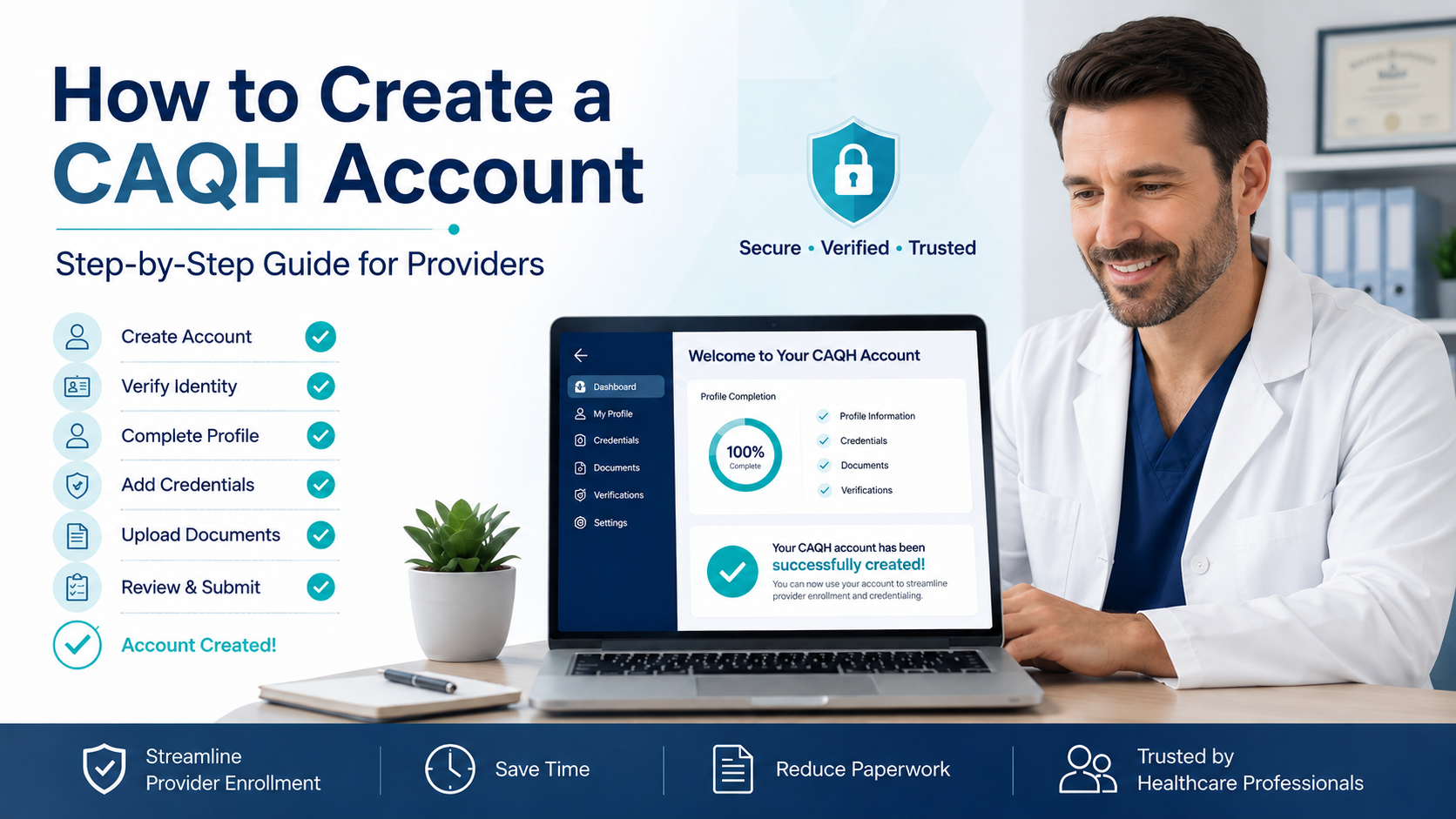
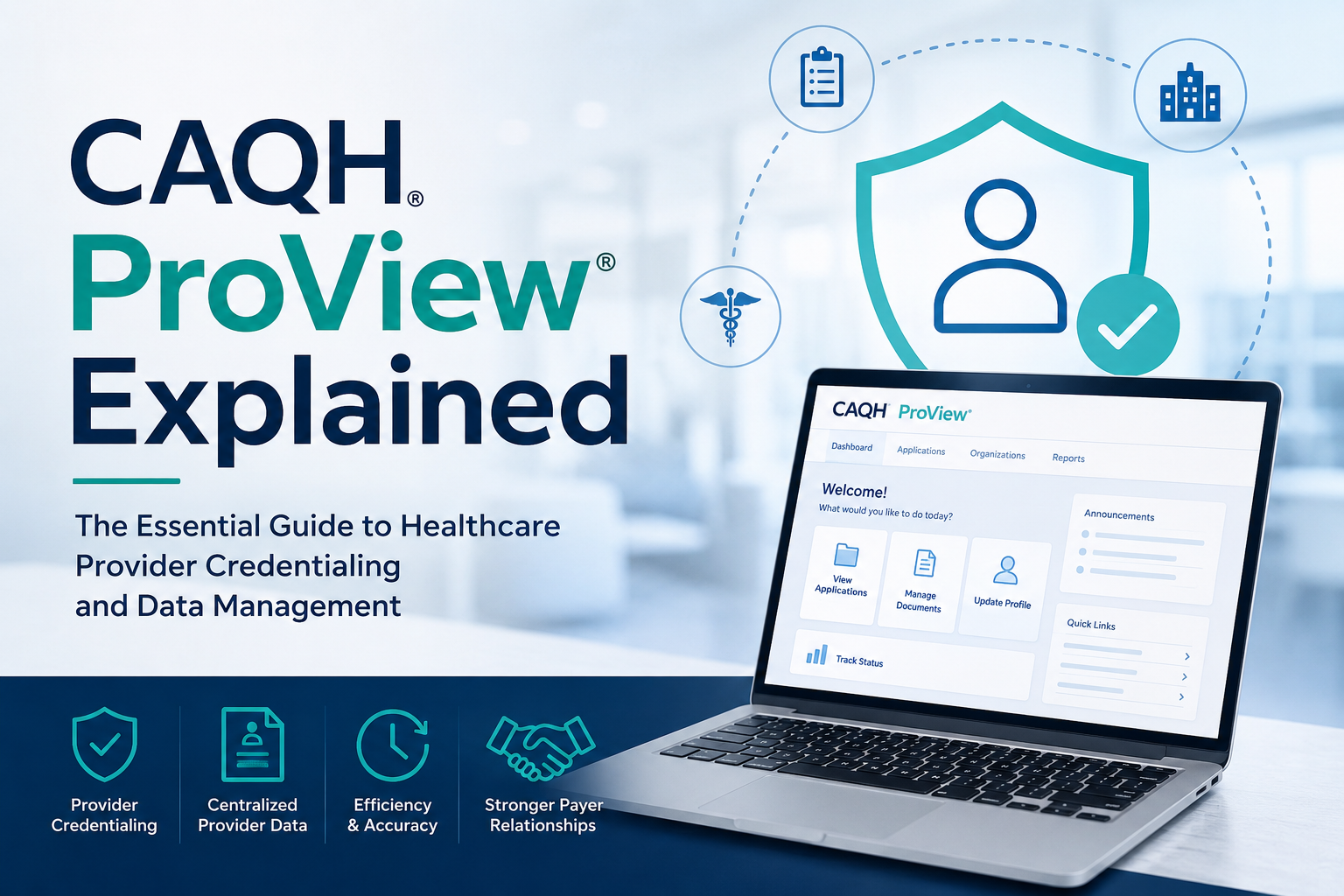
Popular software solutions include CAQH (Council for Affordable Quality Healthcare), which provides a centralized database for credentialing and payer enrollment, and Medkinetics, which offers tools for managing the credentialing process and ensuring compliance.
What Are the Key Benefits of Credentialing Automation?
Automating credentialing processes is one of the best ways to streamline workflows and improve accuracy. Credentialing automation allows healthcare organizations to reduce the time spent on manual tasks, minimize errors, and speed up provider enrollment.
- Faster Credentialing: Automation can reduce credentialing time by up to 50%, allowing providers to be enrolled more quickly.
- Reduced Human Error: By automating data entry and document verification, automation minimizes the risk of errors caused by human oversight.
- Cost Savings: With automation, healthcare organizations can save on administrative costs and reallocate resources to other critical areas.
Automation tools can also handle tasks such as OIG exclusion checks and licensing renewal tracking, further enhancing efficiency.
How to Mitigate Risks in the Provider Credentialing Process?
Mitigating risks is crucial for ensuring that credentialing processes remain smooth and compliant with regulations. Healthcare organizations can reduce risks by establishing proactive monitoring systems, using credentialing automation, and conducting regular audits.
- Sanctions Monitoring: Perform regular OIG exclusion checks and monitor any sanctions or disciplinary actions against providers.
- Recredentialing and Monitoring: Regularly recredential providers to ensure that their credentials are up to date and that they continue to meet licensing and regulatory standards.
- Risk Management Software: Use credentialing software that includes risk management features, such as alerts for expired credentials or compliance issues.
Key Takeaway
Streamlining the provider credentialing process not only improves operational efficiency but also ensures compliance, reduces risks, and speeds up provider enrollment. Using automation, maintaining robust compliance checks, and selecting the right credentialing software can significantly reduce administrative burden and enhance your practice’s overall performance.
FAQs
1. How long does the credentialing process take?
The credentialing process can take anywhere from a few weeks to several months, depending on the complexity of the provider’s background and the requirements of the payer.
2. What is recredentialing?
Recredentialing is the process of verifying a provider’s credentials at regular intervals to ensure they still meet all necessary qualifications.
3. How does credentialing software improve compliance?
Credentialing software ensures that all provider information is verified, tracked, and updated automatically, reducing the risk of non-compliance.
4. What is PECOS in healthcare credentialing?
PECOS (Provider Enrollment, Chain, and Ownership System) is an electronic system used by CMS to verify and manage healthcare provider enrollments for Medicare.
5. Can credentialing automation help reduce errors?
Yes, automation reduces the chances of human error in data entry and document verification, leading to more accurate and efficient credentialing.