
What Is CPT Code 99484 and What Does It Cover in Behavioral Health Integration? CPT code 99484 is used to bill for …
First Measles Death Reported in West Texas Amid Growing Outbreak

The recent death, marking the first in Texas since 2015, serves as a sobering reminder of the risks associated with not vaccinating. The child who tragically passed away had not received the vaccine and was admitted to a Lubbock hospital after contracting the measles. This unfortunate loss underscores the seriousness of the disease, particularly when preventive steps are not taken.
This tragic event has caught the attention of public health officials and residents alike, underscoring the importance of vaccination and the potential dangers of ignoring preventive health measures.
Table of Contents
ToggleThe Measles Outbreak in West Texas: A Growing Concern
In late January 2025, West Texas began experiencing a surge in measles cases, making it the largest outbreak in the state in nearly 30 years. As of now, the outbreak has affected 124 individuals across nine counties, with more than 18 people requiring hospitalization.
A large portion of those infected are unvaccinated, raising concerns among health officials about the potential for further spread of the virus.
Measles is a highly contagious viral infection that can cause severe complications, including pneumonia, brain inflammation, and in some cases, death.
With the outbreak continuing to grow, public health authorities are working to prevent further cases through vaccination campaigns and increased awareness.
The Tragic Death: A Stark Reminder of the Risks
The recent death, the first reported in Texas since 2015, serves as a painful reminder of the potential consequences of neglecting vaccinations. The child who passed away was unvaccinated and had been hospitalized in Lubbock after contracting the measles virus. Tragically, this loss highlights the severity of the disease, especially when individuals fail to take preventive measures.
How Measles Spreads and Its Severe Impact on Health
Measles is one of the most contagious diseases, and its rapid spread can have devastating consequences, particularly for unvaccinated individuals. Here’s an in-depth look at how measles spreads and the potential risks involved.
How Measles Spreads
The measles virus spreads primarily through droplets released when an infected person coughs or sneezes. These droplets can linger in the air and remain on surfaces for up to two hours after the infected person leaves, according to the CDC. A contagious person can infect as many as 18 others.
One of the most concerning aspects of measles is that individuals can spread the virus even before showing symptoms. The characteristic measles rash typically appears after the infection has already been transmitted to others, making it difficult to identify and control the disease in its early stages.
The Effectiveness of the Measles, Mumps, and Rubella (MMR) Vaccine
Vaccination remains the most effective way to prevent the spread of measles. The measles, mumps, and rubella (MMR) vaccine is highly effective, with a two-dose series providing 97% protection against the virus. Even one dose of the vaccine offers a 93% level of protection, which significantly reduces the risk of infection.
Health Risks for Unvaccinated Individuals
For unvaccinated individuals, measles can have serious health consequences. According to the CDC, about 1 in 5 unvaccinated people who contract measles require hospitalization. Additionally, 1 in 20 children who get measles will develop pneumonia, which is the leading cause of death in children with the virus.
One of the more severe complications of measles is encephalitis, or brain inflammation. Approximately 1 in 1,000 children infected with measles can develop this life-threatening condition, which can lead to deafness, seizures, and even intellectual disabilities.
The Fatal Consequences of Measles
The CDC estimates that 1 to 3 out of every 1,000 children who contract measles will die due to respiratory or neurologic complications. These fatalities underscore the importance of vaccination and early intervention to prevent severe outcomes.
Texas Outbreak: A Stark Reminder of the Risks
The recent measles outbreak in Texas has heightened concerns. The first reported death in the state during the ongoing outbreak—among 124 known cases—has raised alarm. Dr. Paul Offit, director of the Vaccine Education Center at Children’s Hospital of Philadelphia, noted that this fatality makes the situation in Texas even more alarming than expected.
“This makes you wonder if it really is 124 cases, or if it’s a much larger number of cases,” Dr. Offit said, highlighting the possibility that the outbreak could be more widespread than initially reported.
Will Measles Deaths Continue into 2026?
Measles remains a significant global health concern, with an estimated 107,500 deaths reported in 2023.
While specific projections for 2026 are not available, the trajectory of measles-related mortality will largely depend on vaccination efforts and public health initiatives implemented in the coming years.
Current Trends and Projections
Recent data indicate a concerning rise in measles cases worldwide, with 10.3 million infections reported in 2023—a 20% increase from the previous year.
This surge is attributed to gaps in immunization coverage, underscoring the critical need for sustained and enhanced vaccination campaigns.
Conclusion: The Critical Importance of Vaccination
The Texas measles outbreak serves as a painful reminder of the deadly consequences that can result from neglecting vaccinations. The MMR vaccine is a simple, highly effective way to protect against this contagious disease and its severe complications. Ensuring that children and adults are vaccinated is the key to preventing the spread of measles and saving lives.
Resources
Related Articles:

Latest Blog
What Is the UB-04 Claim Form and Where Is It Used in Medical Billing? If you work in healthcare administration, revenue cycle …
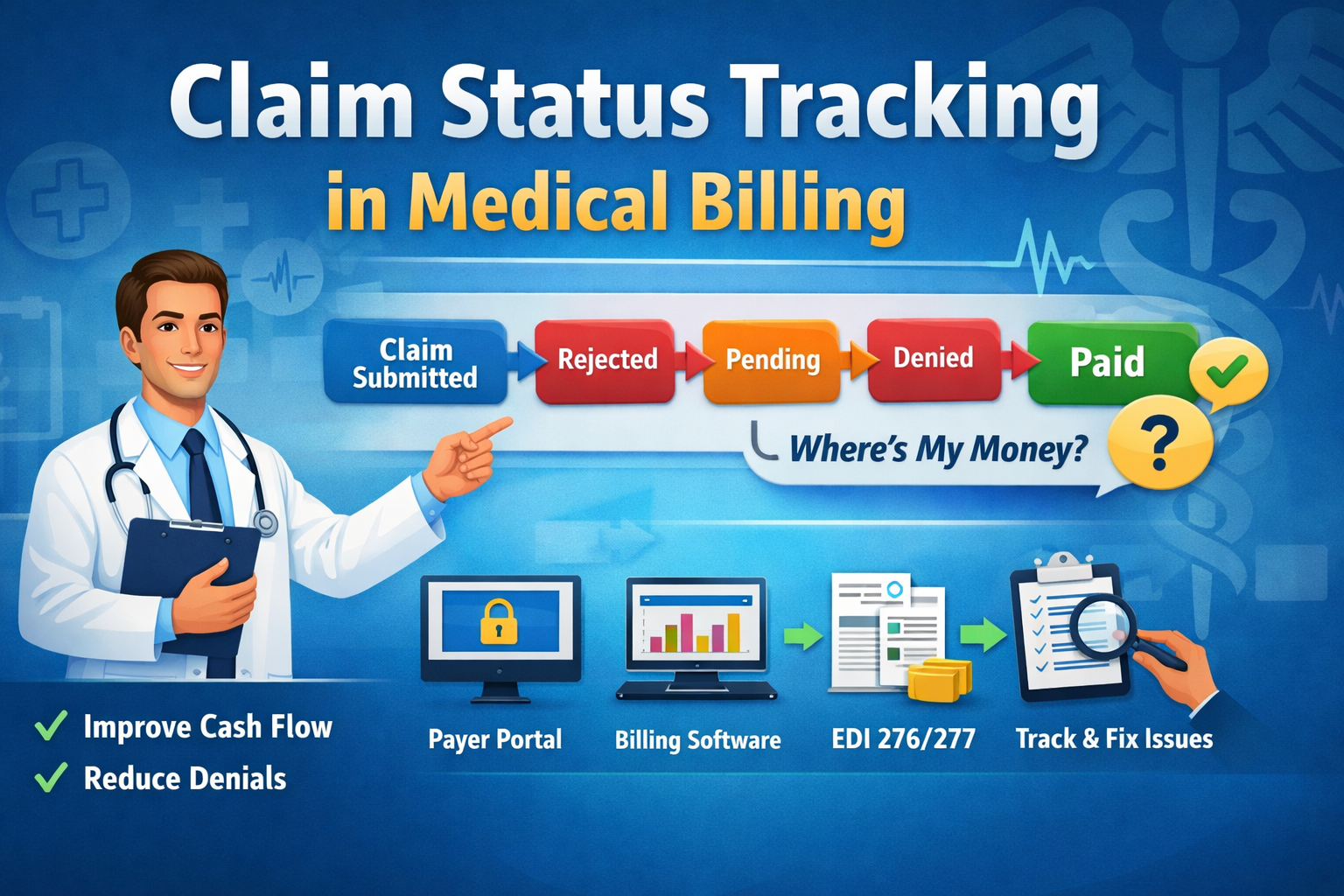
What Is Claim Status Tracking in Medical Billing? Claim status tracking in medical billing is the process of monitoring a healthcare insurance …
What is the CMS-1500 form in medical billing? CMS-1500 is the standard U.S. paper claim form used to bill professional (non-facility) healthcare …
