What exactly is DMD credentialing all about?
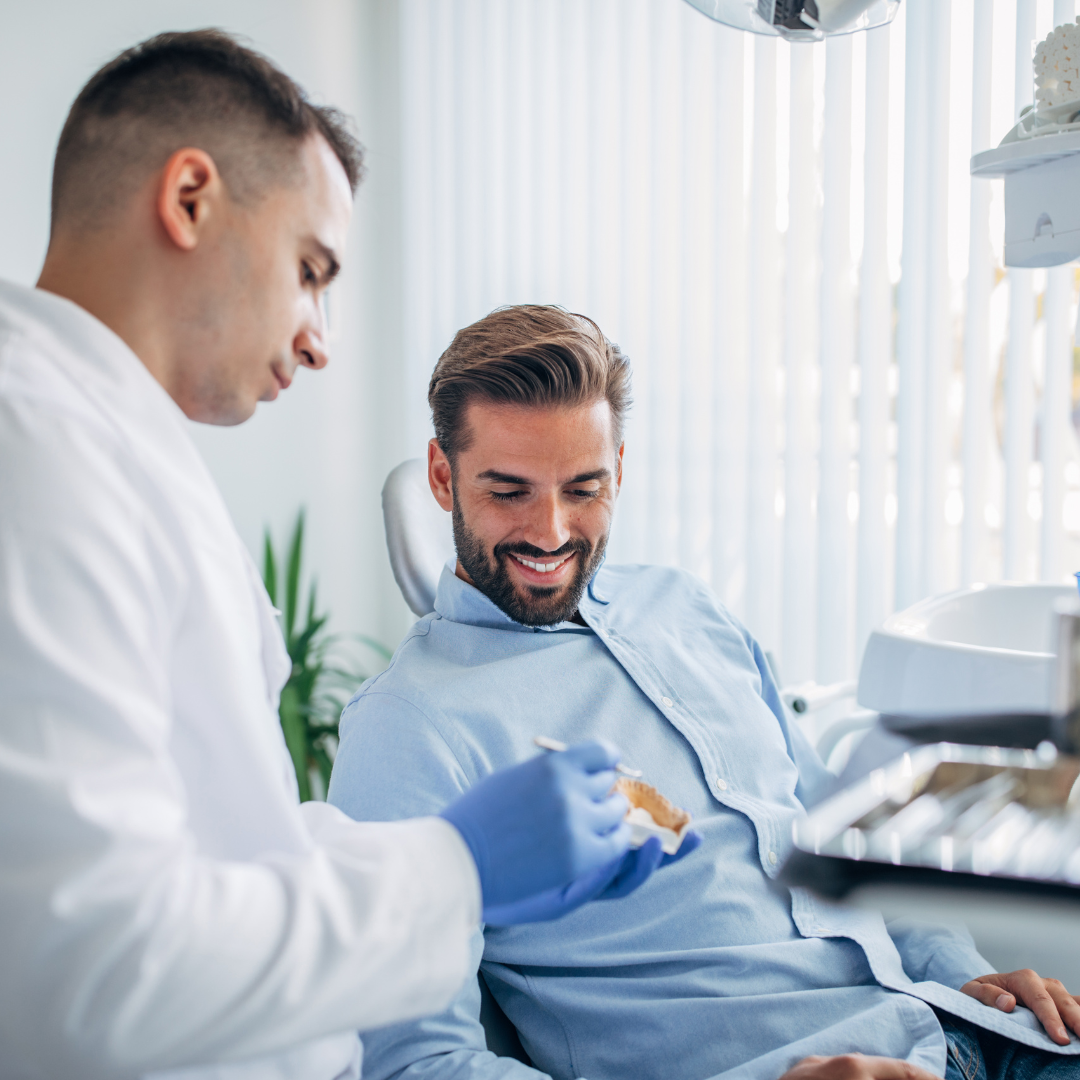
DMD credentialing is the verification process that checks a Doctor of Dental Medicine’s qualifications so dental practices and insurance companies can confidently bring them onboard. Think of it as your professional passport to treat patients and get paid for CDT codes through major dental plans. It ensures everything from your degree to your malpractice coverage lines up perfectly.
Table of Contents
ToggleRecent data shows over 200,000 active DMDs/DDSs in the U.S., with credentialing volumes up 15% yearly as more dentists join group practices and in-network panels. This growth means smoother credentialing directly impacts your ability to build a steady patient base and revenue stream.
Why does DMD credentialing matter so much?
Credentialing protects patients and payers by confirming you graduated from a CODA-accredited program, hold an active state dental license, and have no red flags in your history. Dental plans like Delta Dental or Aetna rely on it to approve you for specific procedures and reimbursements. Without it, you are stuck out-of-network, limiting access to insured patients.
Studies from dental associations reveal that credentialed dentists see 25-40% higher patient volumes compared to non-network providers, translating to millions in collective annual revenue. For practices, it is a compliance must—90% of top payers now mandate CAQH Dental profiles for faster approvals and fewer audits.
What exactly does DMD credentialing verify?
The process digs into your DMD or DDS degree via direct school confirmation, plus your state dental license, DEA registration if you handle controlled substances, and NPI number. It also scrutinizes five years of work history, malpractice claims, and any board actions through primary sources like state boards. Unlike medical NP credentialing, DMD focuses more on CDT billing codes than hospital privileges.
Research from payer analytics indicates 85% of dental credentialing apps pass initial verification when docs match perfectly, but mismatches in addresses or NPIs cause 20% of early rejections. This step ensures you are ready for everything from cleanings to complex restorations.
How do the core DMD credentialing steps work?
Start with pre-application prep by updating your CAQH ProView Dental profile—most payers like Aetna pull from it, cutting verification time by up to 50%. Gather your state license, DEA/CDS if needed, malpractice face sheet, W-9 form, CV, and practice details into one organized digital folder. This upfront work avoids the 30% of delays tied to missing basics.
Next comes application submission through payer portals like Delta Dental’s, followed by their primary source checks on schools and boards, which typically take 90-120 days. Committees then review for final approval, with recredentialing required every two to three years to keep you compliant.
What key documents do you need for DMD credentialing?
Your identifiers like NPI, Tax ID via W-9, and CAQH profile must match your practice address exactly—no small typos allowed, as they trigger 15% of bounces. Licenses include your current state dental license and DEA/CDS, both free of expiration or actions.
Education proof covers your DMD diploma, transcripts from a CODA-accredited program, and a detailed five-year CV. Liability docs feature your malpractice certificate with coverage limits and dates, plus any claims summary, while compliance adds OIG exclusion checks and three peer references.
How long does DMD credentialing really take?
Dental credentialing timelines average 60-120 days, notably shorter than medical NP processes at 90-180 days, thanks to fewer privilege layers and standardized CAQH Dental use. Post-approval enrollment and contracting add another 30-60 days before you can bill CDT codes in-network.
Payer spikes, like high-volume periods at Delta Dental, can extend waits by 30 days, per industry reports analyzing over 10,000 apps. Starting three to six months early prevents revenue gaps estimated at $5,000-$20,000 per month for new dentists.
What causes the most common DMD credentialing delays?
Outdated CAQH profiles account for 25% of holdups, as payers rely on them heavily for quick data pulls. Mismatched NPIs, addresses, or names across forms create verification loops, while slow references from past employers add weeks.
Data from credentialing firms shows proactive digital submissions and quarterly CAQH attestations resolve 70% of these issues before they escalate. Batch your apps by payer priority—start with high-volume ones like Medicare, dental, or Delta—to align with practice onboarding.
How Vital Health Services Helps DMDs Simplify Credentialing?
Vital Health Services streamlines the dental credentialing process by managing multi-payer applications through a centralized, efficient workflow. By consolidating verifications, submissions, and payer follow-ups, we significantly reduce the administrative time DMDs spend on credentialing compared to handling it independently.
From initial CAQH profile setup to ongoing payer communication, our team manages each step with accuracy and consistency—making our services especially valuable for group dental practices.
Practices that outsource credentialing to Vital Health Services experience faster approvals, fewer enrollment delays, and greater visibility into recredentialing timelines through proactive tracking and reminders. This allows DMDs to stay in-network without disruption while focusing on patient care rather than administrative tasks.
With Vital Health Services, credentialing becomes a managed process—not a recurring burden.