AI Could Finally Reduce the Burden of Prior Authorization
Prior authorization has long been one of healthcare’s most frustrating bottlenecks.
Now, generative and agentic AI may offer a way forward.
Table of Contents
ToggleBy analysing medical records, clinical notes, and payer coverage rules at scale, AI systems can validate medical necessity, flag missing documentation, and even auto-approve eligible requests—dramatically reducing administrative workload and human error.
Clinical oversight remains essential. But the manual burden may no longer need to be.
Anthropic Expands Claude for Healthcare and Life Sciences
On January 20, 2026, Anthropic announced a major expansion of its Claude AI platform, introducing Claude for Healthcare and extending Claude for Life Sciences into clinical trials and regulatory work.
The focus:
regulated workflows, secure data access, and real operational use—not demos.
HIPAA-Ready AI for Real-World Healthcare
Anthropic says its healthcare tools are designed to be HIPAA-ready, allowing AI to operate inside systems that handle protected health information.
The goal is simple but ambitious:
connect AI to fragmented healthcare data sources that currently slow down decisions.
New Connectors Target the Heart of Healthcare Admin
Claude can now securely connect to critical healthcare datasets, including:
-
CMS Coverage Database
Access to Local and National Coverage Determinations from the Centers for Medicare & Medicaid Services, supporting faster coverage checks and appeals. -
ICD-10 Codes
Real-time lookup for diagnosis and procedure codes used in billing and documentation. -
National Provider Identifier Registry
Enables provider verification, credentialing, directory accuracy, and claims validation.
Claude also integrates with PubMed, giving healthcare teams access to over 35 million biomedical research records.
AI Agent Skills for Prior Authorization Reviews
Anthropic introduced new agent skills designed for hands-on healthcare use:
-
FHIR Development Skill
Helps developers connect healthcare systems and reduce interoperability errors. -
Prior Authorization Review Template
A customizable AI workflow that cross-references:-
Coverage requirements
-
Clinical guidelines
-
Patient records
-
Appeal documentation
-
Health plans can tailor it to their own policies—without removing clinicians from the loop.
Beyond Claims: Where AI Fits Next
Anthropic expects Claude to assist with:
-
Prior authorization reviews
-
Denied-claim appeals
-
Care coordination across referrals and handoffs
-
Clinical documentation and chart review
-
Health-tech product development
This is administrative AI—not bedside medicine—but its impact reaches patients indirectly every day.
Consumers Can Opt In—And Stay in Control
Anthropic also announced optional consumer integrations in the U.S.
Subscribers can choose to connect Claude to personal health data through beta tools linked to Apple Health and Android Health Connect.
With consent, Claude can:
-
Summarise medical history
-
Explain lab results
-
Identify trends in health metrics
-
Help prepare for doctor visits
Anthropic says users control permissions and that health data is not used to train models.
AI Moves Deeper Into Clinical Trials and Regulation
Claude for Life Sciences now supports trial operations and regulatory work, with connectors to:
-
Medidata
-
ClinicalTrials.gov
-
bioRxiv and medRxiv
-
Open Targets and ChEMBL
-
Owkin’s pathology AI tools
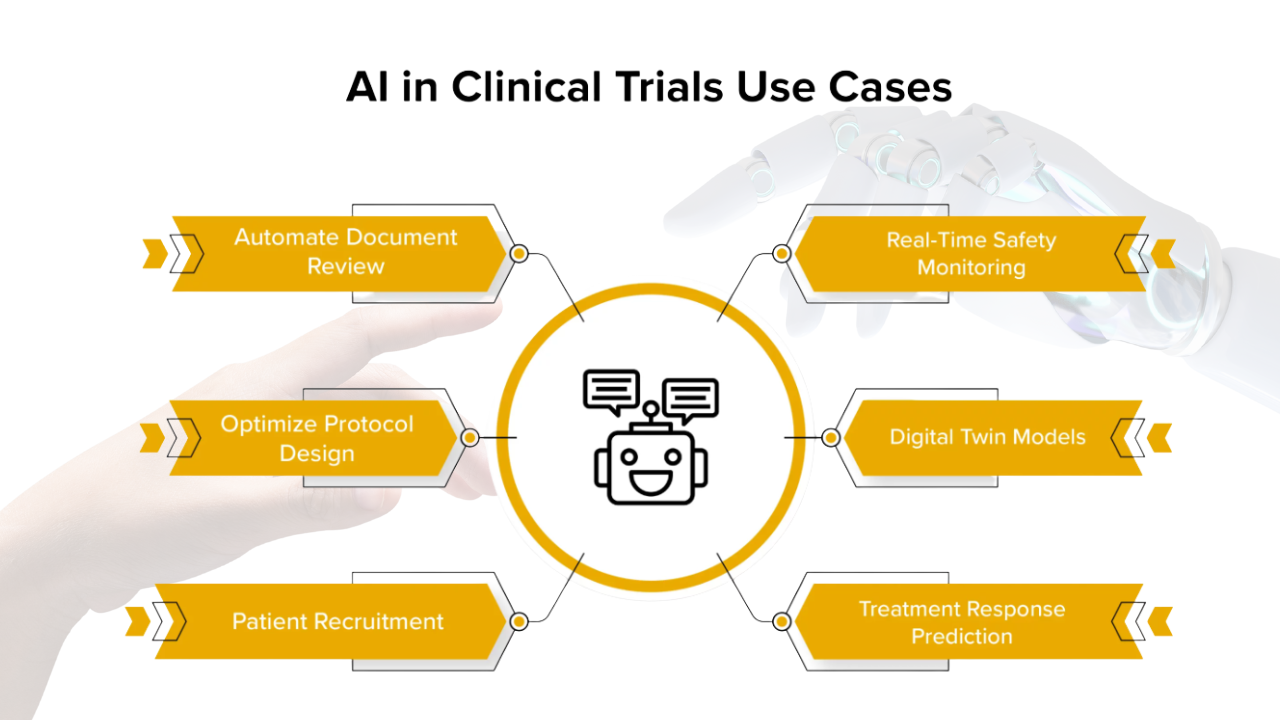
Claude can help draft trial protocols, monitor enrolment trends, flag gaps in regulatory documents, and navigate FDA guidance—without replacing scientific judgment.
The Trust Question: Patients Often Don’t Know AI Is Involved
While AI adoption accelerates, transparency remains a concern.
Speaking to Essence, Tiffani Bright, PhD, of Cedars-Sinai, warned that patients—especially Black patients—are rarely informed when algorithms influence care decisions.
Historical underrepresentation in healthcare data means AI can unintentionally amplify disparities if equity is not actively addressed.
Her message to patients:
Don’t fear the technology—but ask questions.
Ethical AI is used with patients, not on them.
Why This Matters Now
Healthcare AI is no longer theoretical.
It is already:
-
Influencing coverage decisions
-
Shaping clinical trials
-
Automating regulatory workflows
The next phase won’t be defined by speed alone—but by trust, equity, transparency, and consent.
That is where the real test begins.