
Behavioral Health Credentialing Services in Nevada | Mental Health Provider Enrollment Experts
Streamlined, Compliant & Reliable Credentialing Solutions for Behavioral Health Professionals
Trusted Behavioral Health Credentialing Services for Mental Health Providers in Nevada
At Vital Health Services, we specialize in Medical Credentialing Services for Behavioral Health and Mental Health Providers across Nevada.
Our team of experienced credentialing specialists manages every aspect of the provider enrollment, payer contracting, and re-credentialing process, ensuring that psychiatrists, psychologists, therapists, and behavioral health practices can participate in payer networks faster and stay compliant with state and federal regulations.
We simplify the complexities of insurance credentialing, CAQH management, and payer enrollment so you can focus on what matters most — providing quality mental health care to your patients.
Our Behavioral Health Credentialing & Enrollment Services Include
Initial Credentialing & Enrollment with major commercial payers, Medicare, and Medicaid
Provider Data Management (NPI, DEA, State Licensure, etc.)
Re-Credentialing and Renewals for ongoing compliance
Insurance Panel Applications and follow-ups
CAQH Profile Setup & Maintenance
Contracting & Fee Schedule Negotiation
Hospital Privileging Assistance
Status Tracking & Real-Time Reporting
Error Resolution & Appeals Handling
Our credentialing experts understand the unique payer requirements for behavioral health, psychotherapy, psychiatry, and substance use disorder treatment — helping you avoid denials, delays, and administrative errors.
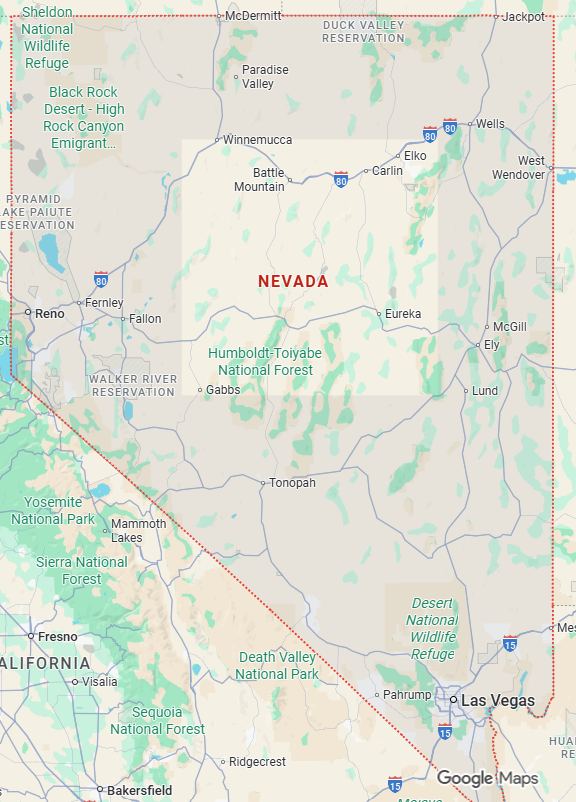
Behavioral Health Credentialing Coverage Across Nevada
We proudly provide mental health provider credentialing services throughout the state of Nevada, including:
Boulder City
Caliente
Carlin
Carson City Elko
Ely
Fallon
Fernley
Henderson
Las Vegas
Lovelock
Mesquite
North Las Vegas
Reno
Sparks
Wells
West Wendover
Winnemucca
Yerington
No matter where your behavioral health practice is located in Nevada, our credentialing team collaborates with insurance payers, state licensing boards, and CAQH to ensure seamless and compliant enrollment.
Why Mental Health Providers in Nevada Choose Vital Health Services
✅ Behavioral Health Credentialing Experts – Experienced in psychiatry, psychology, therapy, and substance abuse program credentialing
⚙️ End-to-End Credentialing Management – From initial enrollment to ongoing maintenance
⏱️ Faster Turnaround Times – Minimize credentialing delays and begin seeing patients sooner
🧾 Compliance-Focused Approach – Adhering to Nevada Medicaid and CMS guidelines
📡 Transparent Communication – Real-time updates, reports, and progress tracking
👩⚕️ Multi-Provider Support – Credentialing for psychiatrists, psychologists, counselors, marriage & family therapists (MFTs), social workers, and nurse practitioners
We take the administrative burden off your shoulders — allowing you to dedicate your energy to improving patient outcomes and expanding access to behavioral health services in Nevada.

Get Started with Behavioral Health Credentialing in Nevada
Whether you’re starting a new practice, adding new mental health providers, or expanding your payer network participation, Vital Health Services is your trusted partner for Behavioral Health and Mental Health Credentialing in Nevada.
📞 Call us today: 928-377-4684
📧 Email: info@vitalhealthservice.com
🌐 Visit: https://vitalhealthservice.com/
Let us handle the paperwork — so you can focus on your patients.
FAQs
What’s the difference between credentialing and licensing?
Credentialing and licensing are distinct but related processes in healthcare:
Licensing is a legal requirement granted by a state medical board or government agency that authorizes a healthcare provider to practice medicine legally within that state. It involves meeting educational, training, and exam requirements, and it confers the official permission to provide care. Licensing applies broadly within the state and serves as a foundation. It is mandatory and must be maintained and renewed regularly.
Credentialing is the process used primarily by healthcare organizations, hospitals, and insurance companies to verify a provider’s qualifications, such as education, training, work experience, licensure, malpractice history, and references. Credentialing evaluates whether a provider is competent and eligible for employment, privileging, or participation in insurance networks. Credentialing is organization-specific and often repeated every 2–3 years to ensure current qualifications.
Is CAQH credentialing mandatory?
CAQH credentialing is not universally mandatory but is widely required or strongly recommended by many private insurance plans and some state Medicaid programs. Providers must maintain an up-to-date CAQH ProView profile because most insurers use it as their primary source for credentialing data verification. However, participation in CAQH is voluntary for providers, and some Medicaid programs or payers still require separate applications or additional documents beyond CAQH.
In states or payers where CAQH is designated as the standard credentialing platform, it effectively becomes mandatory for providers who want to join those networks or panels. Therefore, while CAQH itself does not grant licensure or enrollment, maintaining an active CAQH profile is often critical to expediting credentialing and enrollment processes across many payers and networks.
What’s the difference between credentialing and provider enrollment?
Credentialing and provider enrollment are distinct but interconnected processes essential for healthcare providers to practice and get reimbursed.
Credentialing is the verification process of a healthcare provider’s qualifications, including education, training, licensure, work history, and malpractice history. Its primary purpose is to ensure the provider is competent and eligible to provide quality care. Credentialing is typically conducted by insurance companies, hospitals, or healthcare organizations before admitting providers into their networks or granting privileges.
Provider Enrollment is the administrative process of registering or contracting a credentialed provider with specific insurance payers or government programs (like Medicaid or Medicare). It enables the provider to bill those payers and receive reimbursement for services rendered. Enrollment uses credentialing data but also includes submitting payer-specific applications, agreeing to contracts, and meeting payer compliance requirements.
Key differences include:
| Aspect | Credentialing | Provider Enrollment |
|---|---|---|
| Purpose | Verify provider qualifications and eligibility | Register the provider with payers to enable billing |
| Focus | Clinical credentials, background checks | Administrative registration and contracting |
| Timeliness | Completed before enrollment | Done after credentialing approval |
| Outcome | Approval to participate in networks or facilities | Authorization to submit claims and receive payment |
| Conducted by | Insurers, hospitals, and healthcare organizations | Insurance payers, government programs |
Credentialing is a prerequisite for enrollment, ensuring providers meet clinical standards before forming a financial relationship. Enrollment secures the provider’s ability to receive payment for services under contracts with payers. Both must be maintained and periodically updated to avoid delays in billing and compliance issues.
